
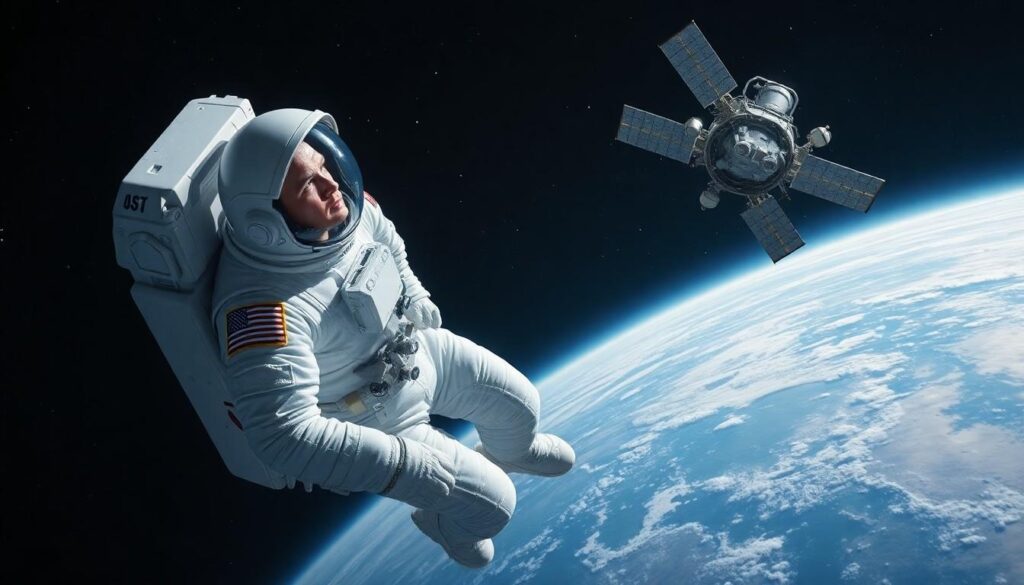
The space race wasn’t just about beating the Soviets to the moon; it was a cosmic catapult for technology that transformed life on Earth. Imagine a world where Tang was the pinnacle of breakfast innovation and rocket scientists turned into rock stars. The competition sparked a flurry of advancements that laid the groundwork for everything from satellite communication to the GPS in your car that helps you avoid traffic jams—unless you’re in Los Angeles, of course.
As nations scrambled to outdo one another, they inadvertently launched a treasure trove of technologies that now permeate daily life. From the materials used in athletic shoes to the miniaturization of electronics, the legacy of the space race is everywhere. Buckle up as we explore how this stellar showdown not only reached for the stars but also brought Earth some seriously cool gadgets and innovations.
Overview Of The Space Race
The space race, primarily occurring from the late 1950s to the early 1970s, significantly transformed technological landscapes. This competition between the United States and the Soviet Union ignited a surge of innovation. Satellite communication emerged as one of the pivotal advancements, enabling global connectivity that reshaped modern communication.
The launch of Sputnik 1 in 1957 marked the beginning of this rivalry, showcasing the Soviet Union’s capabilities. In response, the U.S. accelerated its own space programs, emphasizing advanced rocket technology and spacecraft design. NASA’s Apollo program, culminating in the lunar landing of Apollo 11 in 1969, exemplified these efforts and highlighted human space exploration.
GPS technology traces its roots to developments during the space race, providing enhanced navigation and timing services. Innovations in materials science emerged as well, driven by the need for lightweight and durable components in spacecraft. These technological strides found applications in various industries, influencing consumer products and daily life.
Research advancements in computer technology directly correlated with the demands of space missions. The development of integrated circuits and computing systems paved the way for modern electronics. Everyday items, like athletic shoes and small electronic devices, benefitted from materials and manufacturing techniques birthed from space exploration.
The social impact of the space race extended beyond science and technology. Public fascination with space exploration inspired generations to pursue careers in STEM fields. Education and investment in these disciplines surged, fostering a culture of innovation that continues to thrive today.
This period in history not only propelled human achievement beyond Earth but also laid the groundwork for countless technical advancements that underpin modern life. Each innovation, deeply rooted in the competition, enriched society in ways that persist to this day.
Key Technologies Developed

The space race led to significant technological breakthroughs that enhanced life on Earth and advanced space exploration.
Satellite Technology
Innovations in satellite technology revolutionized communication, navigation, and data collection. The launch of Sputnik 1 in 1957 marked the beginning of satellite exploration. Satellites now facilitate global communications, weather forecasting, and GPS navigation. Over time, these satellites have evolved into essential tools for everyday activities. They provide real-time data to industries ranging from agriculture to disaster management, confirming their profound impact on modern society.
Rocket Propulsion
Rocket propulsion technology advanced rapidly during the space race, revolutionizing space travel. The development of powerful engines increased payload capacity and efficiency. Innovations in liquid and solid propulsion systems allowed for long-duration missions. The Saturn V rocket, used in the Apollo program, exemplifies these advancements with its ability to launch astronauts to the moon. New materials and designs emerged to withstand extreme conditions, ensuring greater safety and performance in subsequent space missions.
Communication Systems
Effective communication systems became critical during the space race, enabling coordination of complex missions. The need for reliable communication led to the development of advanced radio systems and data transmission technologies. Innovations in signal processing improved clarity and reliability, essential for mission success. These communication methods now underpin everyday technology, from mobile phones to internet connections. Consequently, the groundwork laid during this period continues to shape modern communication frameworks globally.
Major Players In The Space Race
The United States and the Soviet Union emerged as the dominant forces during the space race, each making significant contributions to space exploration and technology. Their rivalry fostered unprecedented advancements that shaped the future of aerospace engineering.
United States Contributions
The U.S. focused on developing human spaceflight capabilities. NASA’s Mercury program launched the first American into space in 1961, while the Gemini program improved space travel techniques, paving the way for Apollo. The Apollo program remarkably achieved the lunar landing in 1969 with Apollo 11, showcasing the potential for human exploration beyond Earth. Technological innovations stemmed from this push, including the development of the lunar module and advances in materials science. Furthermore, satellite communications gained momentum with the launch of Echo 1, enabling greater global connectivity and laying the groundwork for modern telecommunications systems.
Soviet Union Contributions
The Soviet Union spearheaded early space achievements that captivated the world. Sputnik 1, launched in 1957, became the first artificial satellite, igniting international interest in space exploration. Following this, Yuri Gagarin made history as the first human in space in 1961 aboard Vostok 1, demonstrating the USSR’s capabilities. The USSR also excelled in launching advanced satellites, such as communications and weather satellites that provided crucial information. Additionally, the development of the Vostok and Soyuz spacecraft facilitated long-duration missions, forming a foundation for subsequent space exploration endeavors. These accomplishments solidified the Soviet Union’s position as a leader in aerospace technology during the space race.
Impact On Modern Technology
Technological advancements from the space race continue to shape modern life. Innovations developed during this era laid a foundation for various industries and consumer products.
Innovations In Aerospace
Satellite technology made significant leaps. The introduction of satellites initiated a new age of communication, allowing for global connectivity. Sample advancements include GPS systems that provide precise location data for navigation. NASA’s investment in rocket propulsion led to more efficient launches and expanded capabilities for missions beyond Earth. New materials, such as lightweight composites, emerged to enhance aircraft performance. Breakthroughs in spacecraft design also resulted in reusable launch systems, reducing costs and increasing access to space.
Influence On Consumer Technology
Consumer technology benefited greatly from space race innovations. Everyday products like cell phones and internet systems owe their efficiency to early communication developments. The miniaturization of electronic components, driven by space missions, enhanced various devices. Examples include high-performance chips originally designed for spacecraft that are now standard in laptops and smartphones. Health products also experienced breakthroughs, with medical imaging technologies evolving from space-based research. Overall, advancements from the space race fostered new industries and improved countless lives.
Future Implications
Future advancements in technology will likely stem from innovations born during the space race. Satellite systems continue to evolve, enhancing global communication and enabling smarter infrastructure. Areas like transportation could see improved efficiencies, driven by ongoing developments in propulsion technology. Medical fields benefit directly from imaging technologies developed for space missions, paving the way for better diagnostics.
Space exploration fosters international collaborations, expanding opportunities for shared resources, funding, and knowledge. Agencies like NASA and ESA facilitate partnerships, encouraging joint missions that unify global efforts in space exploration. The continued success of satellite navigation systems influences industries ranging from agriculture to logistics, optimizing operations and reducing costs.
Robotics and artificial intelligence also stand to gain substantial momentum from space technologies. Both fields rely on advancements made in automating space equipment, transferring those capabilities into everyday applications. Miniaturization of technology shapes consumer products, making devices more efficient and user-friendly.
Sustainability initiatives can find momentum through the reduction of waste in spacecraft development. Techniques that minimize clutter in space also inspire more ecologically friendly practices on Earth. As space becomes increasingly accessible, commercial ventures might flourish, focusing on resource extraction from asteroids and planetary bodies.
Education in STEM remains vital, nurturing future generations of innovators. Opportunities in space science can draw interest from students, igniting passions for exploration and research. The ripple effects of the space race will resonate across technology, society, and the global economy well into the future.
The technological advancements spurred by the space race have reshaped modern life in countless ways. From satellite communications to GPS technology these innovations have become integral to daily activities. The competition between the United States and the Soviet Union not only pushed boundaries in aerospace but also laid the groundwork for breakthroughs in various industries.
As the world continues to benefit from these developments the legacy of the space race remains evident. Future explorations and innovations will likely draw inspiration from this historic rivalry. The ongoing pursuit of knowledge and technology ensures that the impact of the space race will be felt for generations to come.


